
Current Gold Price (EUR) — per gram, ounce, and kilogram
Welcome to Goudmunter, your source for the current gold price. View the gold price per kilogram and gram in real time, directly in euros. Whether you’re an investor or interested in historical values, we offer comprehensive analyses and price charts dating back 20 years.
Weekly chart: euro/kg
Annual chart: euro/kg
What was the highest price of gold ever?
In the chart to the right or below (on mobile), you can see today’s gold price and how it has changed over the last few days or over a 20-year period. At the start of the year 2000, the price of gold stood at 8,000 euros per kilogram. What followed was an impressive rise, as investors flocked to gold in search of security during times of economic turmoil. In the years that followed, the price of gold continued to rise steadily. On Thursday, January 29, 2026, around 12:35 a.m., the price of gold rose to 149,949.15 euros per kilogram. This trend demonstrates how gold has remained a safe haven over the years, especially during times of uncertainty. You can find more interesting details in the attached chart.
Definition of the Price of Gold
Did you know that the price of gold actually refers to how much gold is currently worth on the market? Gold has been popular for centuries because it is rare and beautiful. The price is usually quoted in troy ounces. That price can fluctuate quite a bit due to factors such as supply and demand, the economy, political events, and investor sentiment.
People often view gold as a safe haven. This means that when the economy takes a downturn, people invest in gold, which can affect its price. Investors, jewelers, and central banks therefore keep a close eye on that price. Gold plays an important role in global financial markets and is seen as a way to safeguard your money and protect yourself against inflation.
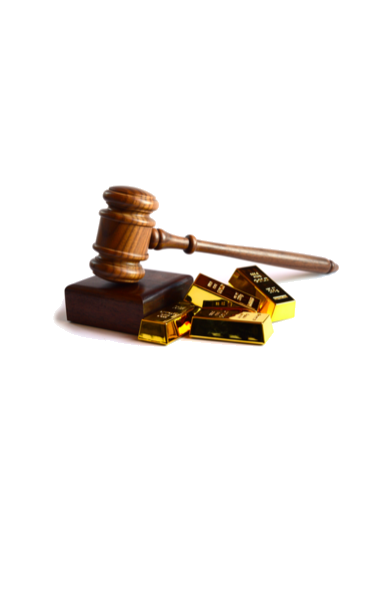
Investing in Gold
Thinking about investing in gold? With our real-time gold price updates and in-depth analyses, you can make the best decisions. Buying gold can be a safe way to protect your wealth against economic uncertainties.
See also this information:
What is the price of gold per kilogram?
The graph shows the price per kilogram. It is important to note that this price fluctuates every second. The blue line represents the price per second.
What is the price of gold per gram?
To determine the price per gram of gold, simply divide the price per kilogram by 1,000.
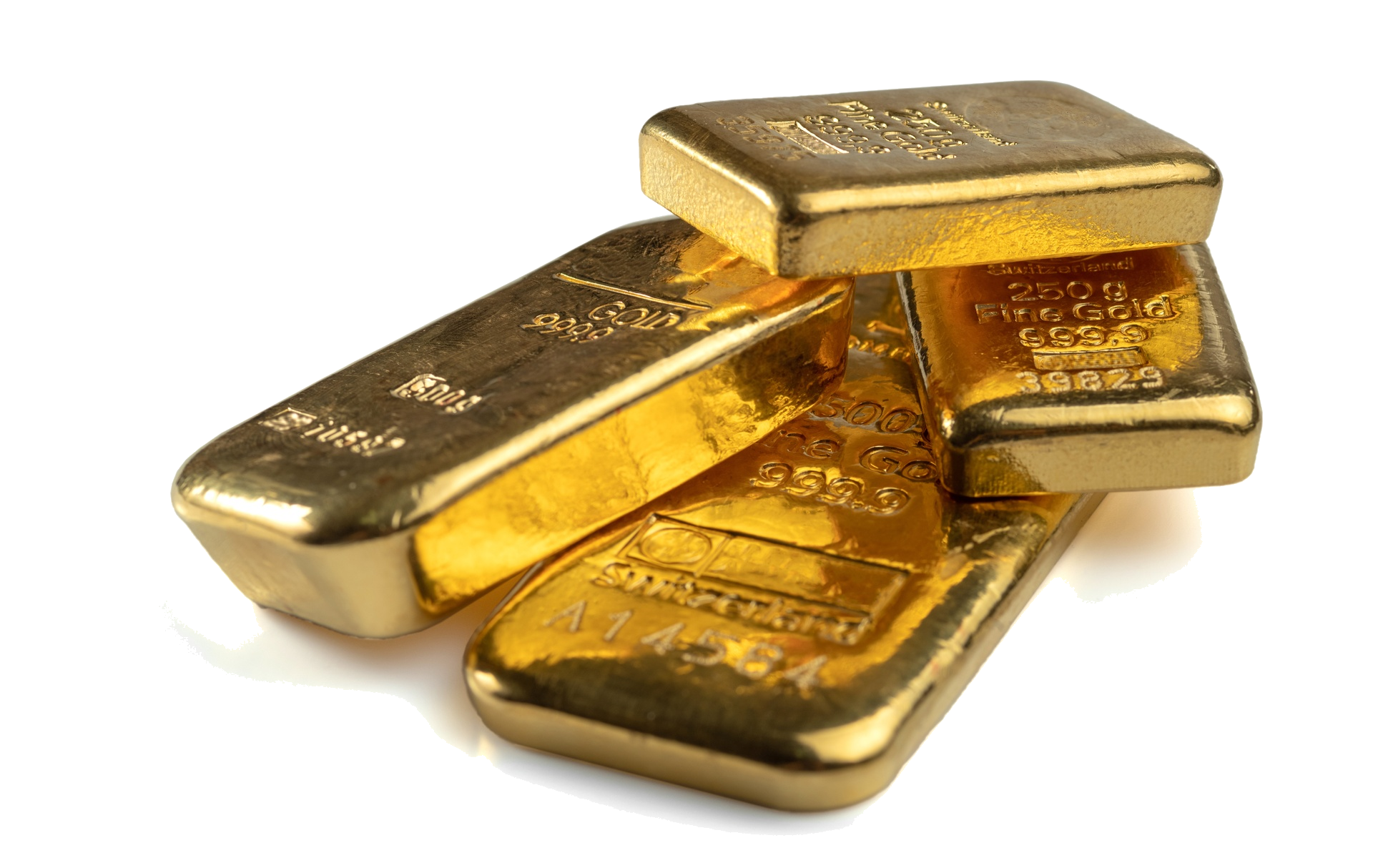
Will the price of gold continue to rise? An analysis of the European market
"It has really become a hot topic in recent years: 'Will gold keep rising?'—especially with all the ups and downs in the global economy and those geopolitical uncertainties. Many investors are wondering whether the price of gold will continue to rise in the near future."
Here in Europe, this is particularly interesting because the market here operates differently than in the U.S. and Asia. There are specific factors that influence the value of gold here. We’re curious about current trends and what might happen to the price of gold in the future, especially from our European perspective. In any case, many banks in China, Switzerland, and Germany are buying large amounts of gold.
Historical Performance of Gold
Gold has always held a unique position in the global economy. The precious metal is considered a safe haven during economic and geopolitical crises. Traditionally, demand for gold rises during periods of inflation, currency devaluation, and economic uncertainty. This phenomenon was clearly evident, for example, during the euro crisis in early 2010 and, more recently, during the COVID-19 pandemic.
In 2020, the price of gold rose to record highs, peaking at around €1,740 per ounce in August, driven by the uncertainty caused by the pandemic and ultra-low interest rates in Europe and around the world. This led to a massive influx of capital into gold, which was seen as a stable store of value.
What factors influence the price of gold?
Inflation and Monetary Policy Measures You know, one of the most important factors influencing the price of gold is inflation. In recent years, inflation in the eurozone has risen sharply, mainly due to supply chain disruptions, energy crises, and rising commodity prices. As a result, demand for gold as a hedge against inflation has increased. In addition, the monetary policy of the European Central Bank (ECB) plays a major role. For years, the ECB has pursued a policy of low—or even negative—interest rates. For investors, this makes it less attractive to invest in bonds or savings accounts. As a result, more people have started looking for alternatives such as gold.
Geopolitical Uncertainty Europe is currently facing significant geopolitical challenges. These include the consequences of the war in Ukraine and trade tensions between the EU and other major countries. Historically, this kind of geopolitical turmoil has led people to seek out safe investments such as gold. Any increase in tensions or economic uncertainty here in Europe could therefore lead to a further rise in the price of gold. It’s interesting to see how all of this influences where people choose to invest their money.
Currency Fluctuations The value of the euro relative to other major currencies, such as the U.S. dollar, also affects the price of gold here in Europe. Since gold is traded globally in U.S. dollars, a weaker euro means it becomes more expensive for us as European investors to buy gold. This can increase demand for gold, causing the price to rise even further. It’s interesting how currencies and precious metals are so intertwined, isn’t it?
Sustainability and ESG Trends Sustainable investing and ESG criteria (environmental, social, and governance factors) are becoming increasingly important to European investors. Gold occupies an interesting position in this context. On the one hand, gold is viewed as a stable, low-risk investment. On the other hand, however, people are concerned about the environmental impact of gold mining. This could affect the demand for gold in Europe in the long term, especially if investors begin to place greater emphasis on sustainability.
Expectations for the Future
First, we would like to emphasize that we do not provide investment advice. Based on the analysis of many analysts, many predict that the price of gold will remain stable or even rise further in the near future, depending on several key factors:
Inflation Remains High If inflation in Europe remains high—particularly due to ongoing energy crises and disruptions in global supply chains—demand for gold may continue to rise. Gold is often seen as a “hedge” against inflation, and as long as inflation remains high, investors are likely to continue turning to the precious metal.
ECB Monetary Policy Although the ECB may raise its interest rates to curb inflation, it seems unlikely that interest rates will rise substantially in the short term. This means that gold’s appeal as an alternative investment will remain relatively strong.
Geopolitical Turmoil: The war in Ukraine, the situation in Gaza, uncertainties surrounding de-dollarization, and trade tensions between China and the U.S. could cause ongoing uncertainty in European markets. This could lead investors to continue seeking safe havens, including gold.
Conclusion
The price of gold appears set to remain stable for the time being, with potential upward pressure depending on factors such as inflation, geopolitical uncertainty, and ECB policy. For European investors, gold remains an attractive option, especially in times of economic uncertainty. Although there is no guarantee that the price of gold will continue to rise in the long term, current market conditions provide sufficient reasons to continue viewing gold as a safe haven.
As always, gold remains one of the most reliable investments during uncertain times. Whether the price of gold will continue to rise depends on a complex interplay of factors, but the outlook remains positive, especially within the European context.
Goudmunter and BAMM EDM do not provide investment advice; this is a summary of information from multiple sources.