Goudmunter
GOLD & SILVER
- Locations
- Aalst
- Gent
- Knokke
- Roeselare
- Sint-Niklaas
- Contact
- Info
- In the press
- Gold Price
- Blog
- Gold
- Buffalo
- 10 dollars
- 20 dollars
- 20 Lire
- 25 Boudewijn
- 20 Fr Napoleon
- 20 Fr Vreneli
- 100 francs, Napoleon III
- 20 Belgian francs
- Rubens Year 1977
- Reine Fabiola
- Bruxella 979 1979
- Maple leaf
- 10 guilders
- Leopold 1830–1980
- 50 ECU
- Sovereign
- 1/2 Sovereign
- Krugerrand
- All Posts
The Diamond and the Cutting Method
- gold coin
- Nov. 3, 2025
- 3 minutes to read
Updated on: Nov. 21, 2025
You know, when people see a diamond, they usually just think of it as “round and sparkly.” But actually, that’s just one of the many ways a diamond can be cut. The cut determines everything: how it sparkles, how big it appears, and even the feeling it evokes.
Let me explain the most well-known cut styles to you. It's a bit like different personalities in people: some are classic and understated, while others are striking or romantic.
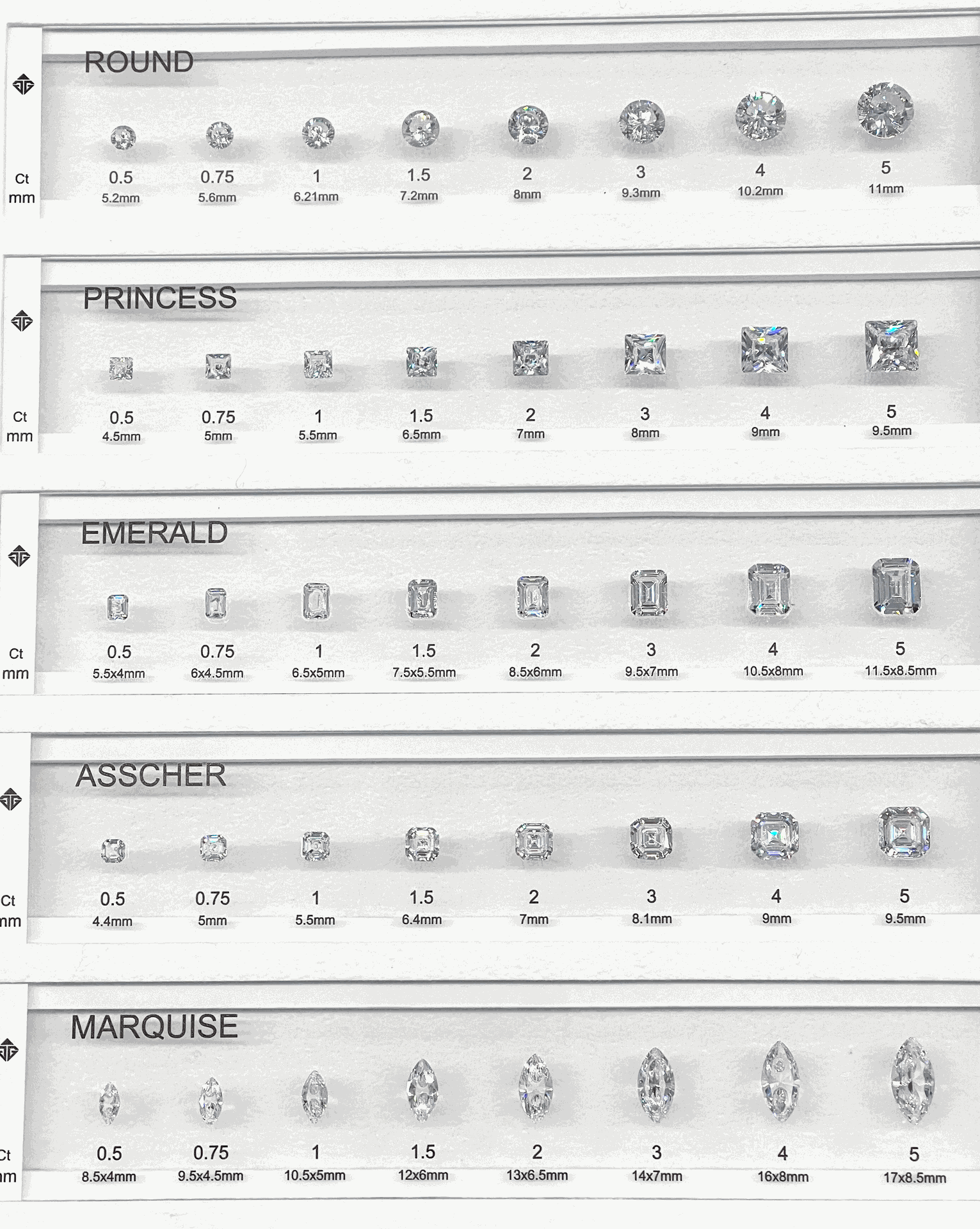
The brilliant cut is the classic. Round, perfectly balanced, and designed to reflect as much light as possible. In fact, it’s the standard against which all other cuts are measured. The light just jumps out at you. If you ever see an engagement ring with that signature sparkle, it’s almost always a brilliant cut. It exudes purity and elegance and is the safe, timeless choice.
Then there’s the princess cut. It’s a square cut—sleek and modern. It has a bit more edge to it, kind of like someone with character. The corners are sharp, the sparkle is intense, and it often looks bigger than it actually is. Perfect for anyone who loves something contemporary with a touch of attitude.
The emerald cut is something else entirely. It’s long and rectangular with large, flat facets that create a sort of mirror effect—the so-called “hall of mirrors” effect. Less sparkly but much deeper. When you look at a stone like this, it seems as if you can see right through it. Very chic and sophisticated, typical for people with a penchant for vintage style or Art Deco.
The Asscher cut resembles the emerald cut, but is square with cut-off corners. It’s actually the diamond equivalent of a classic car—something from the 1920s with a lot of character. It has that depth and symmetry reminiscent of old European jewelry.
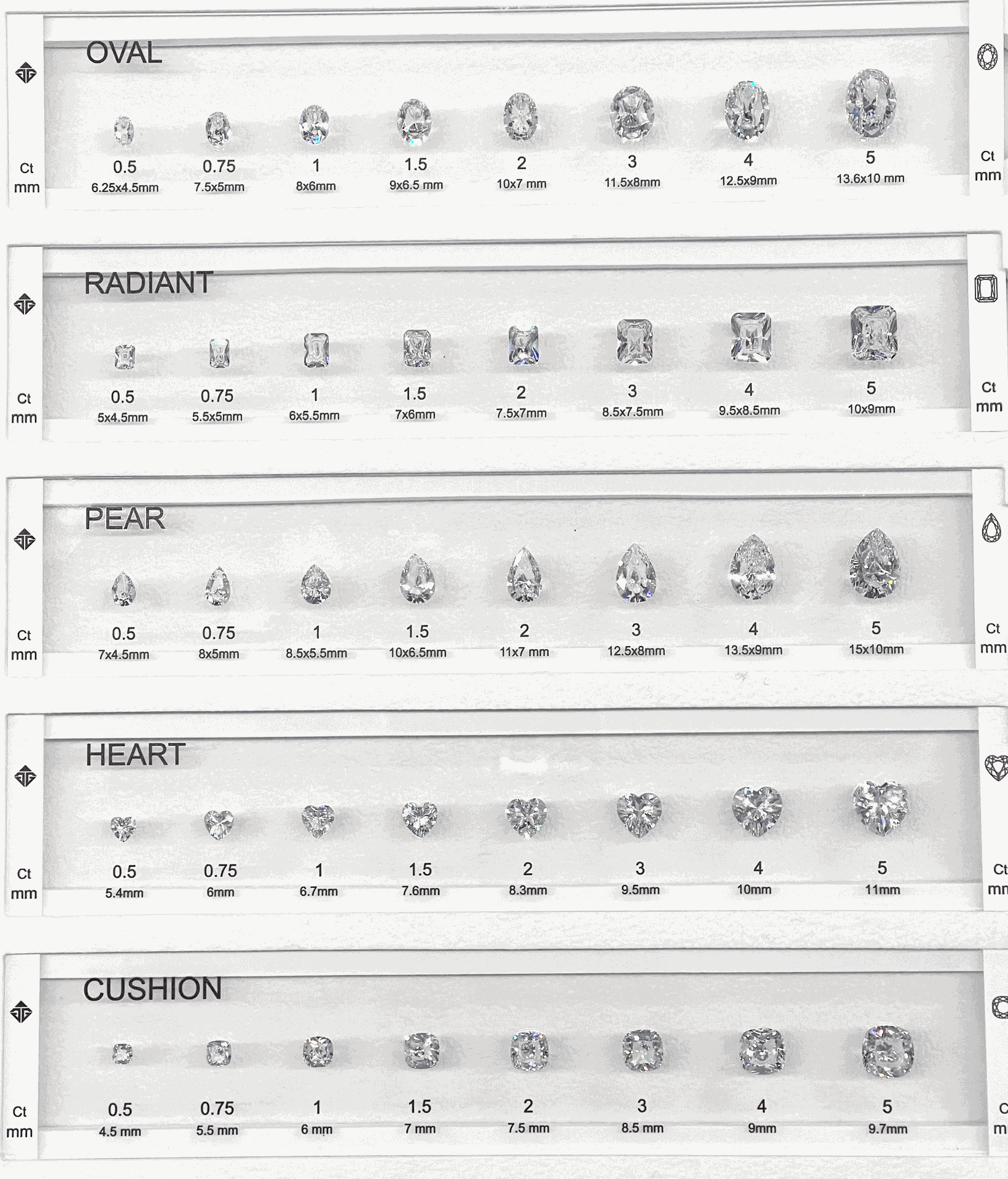
The oval is an elegant variation on the brilliant cut. It has the same sparkle but a slightly longer shape, which makes the fingers look longer. It always looks soft and feminine—subtle yet very classy.
And then there’s the pear shape—the teardrop shape. It’s actually a combination of round and pointed. Very elegant and often used in pendants or earrings. It often symbolizes emotion; they say it’s a kind of tear of joy.
The marquise has an interesting history. It is said to have been designed at the court of Louis XV, inspired by his mistress’s smile—hence its elongated shape with pointed ends. It also always seems larger than it actually is, which is a nice bonus, of course. It has a regal air and stands out without being over the top.
Then there’s the heart-shaped diamond. You really have to love that one. It’s difficult to cut because the symmetry has to be perfect; otherwise, it can easily look odd. But when it’s done right, it’s the ultimate symbol of love. Not subtle, but very sincere.
The radiant cut is a modern hybrid of the brilliant and emerald cuts. Lots of facets, lots of fire, and lots of light. This is the diamond for those who want it all: elegance and sparkle.
The cushion cut has a slightly softer shape. It’s square with rounded corners and has a warm, almost candlelike glow. It’s very romantic and a little nostalgic. You often see it in heirlooms or vintage engagement rings.
The baguette is narrow and long with straight lines. It’s not particularly dazzling, but rather sleek and stylish. It’s often used to flank other stones, such as in a wedding ring or a luxury watch.
The trilliant, also known as the “trillion cut,” is triangular and has a very modern look. It’s very eye-catching, sharp, and sparkles a lot. A stone like this says, “I’m different, and I deserve to be seen.”
And then there’s the rose cut. It’s an old-fashioned cut from the days when diamonds were still worn by candlelight. It has a domed top and no flat bottom. The sparkle is soft and dreamy. It’s really something for lovers of antique jewelry.
The old-mine cut and the table cut are the precursors to modern cuts. They don’t sparkle as brightly, but they have a warm glow that evokes the past—the kind of light that doesn’t dazzle but invites you to keep looking.
Finally, there are the fantasy cuts, such as the Barion, Lucida, or Ashoka. These are often created by jewelry houses like Tiffany or Asscher himself and are designed to be just that little bit more unique. They sparkle beautifully but are usually exclusive and pricey.
When you think about it, a diamond's cut is a bit like the wearer's personality.
The brilliant cut is classic, the princess cut is modern, the emerald cut is stylish and understated, the cushion cut is romantic, and the rose cut is nostalgic.
Whether you're someone who loves timeless elegance or something with a bit of edge, there's always a cut that suits you.